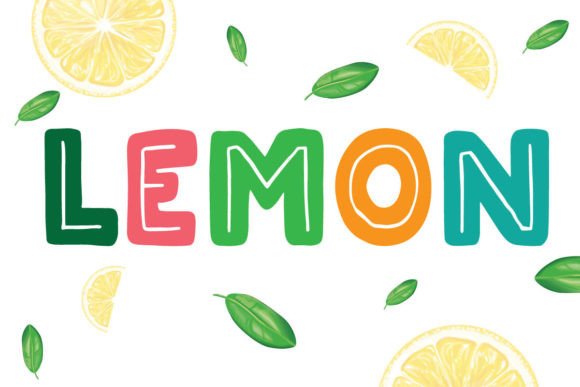
Lemon: A Fresh Handwritten Font for Modern Design
In a digital landscape saturated with crisp, geometric sans-serifs, a touch of handcrafted warmth can be the secret ingredient that makes your design truly memorable. Enter Lemon, a charming handwritten display font distinguished by its clean, single-line interior strokes. This unique characteristic offers the organic feel of a custom sketch while maintaining a level of clarity and sophistication often lacking in traditional script typefaces. For designers and creators seeking a personal, approachable aesthetic, Lemon presents a versatile solution that bridges the gap between casual authenticity and professional polish.
The Power of a Handcrafted Aesthetic
Typography is a cornerstone of visual communication, and the choice of font directly influences a brand's personality and audience perception. While serif fonts convey tradition and sans-serifs suggest modernity, handwritten styles like Lemon communicate friendliness, creativity, and human connection. This makes it an invaluable asset in a designer's toolkit, particularly for projects aiming to evoke emotion, tell a story, or stand out from corporate monotony. Its single-line detail ensures it remains legible at various sizes, a common challenge with more ornate scripts.
Practical Applications Across Creative Projects
The true value of a creative asset lies in its adaptability. Lemon’s design makes it exceptionally suited for a wide range of applications where a personal touch is desired:
- Brand Identity & Logo Design: Use Lemon to craft logos for lifestyle brands, artisanal products, cafes, or boutique studios. Its distinctive style helps build a memorable and relatable brand identity from the first glance.
- Digital Marketing & Social Media: Create eye-catching Instagram stories, Facebook ads, or Pinterest graphics. A handwritten font breaks through the visual noise of a social feed, increasing engagement for quotes, announcements, or promotional material.
- Web & UI Design: When used sparingly for hero section headings, call-to-action buttons, or featured content titles, Lemon can add a dynamic focal point to a website or app interface, enhancing the overall user experience.
- Packaging & Editorial Design: Elevate product packaging, labels, or magazine spreads. Lemon can highlight key features, create compelling callouts, or add a whimsical element to layout design, improving visual hierarchy.
- Merchandise & Print Materials: From wedding invitations and greeting cards to custom apparel and presentation decks, its versatility extends to any medium where a personal, crafted feel is beneficial.
Integrating Lemon into Your Design Workflow
Effective use of any display font requires strategic consideration. To ensure Lemon enhances rather than overwhelms your project, keep these design principles in mind:
- Establish Visual Hierarchy: Reserve Lemon for headlines, titles, or short, impactful phrases. Pair it with a clean, highly readable sans-serif for body text to maintain balance and ensure your message is communicated clearly.
- Consider Your Audience & Context: A handwritten font may not suit a corporate financial report but is perfect for a children's book or a creative portfolio. Always align your typography choices with the project's goals and audience expectations.
- Maintain Consistency: Use Lemon consistently across all brand touchpoints to build recognition. If it’s your primary logo font, consider using it in marketing materials to create a cohesive visual system.
- Test for Readability: Always check how the font renders at the intended size and on the target medium, whether a small mobile screen or a large printed poster. Its single-line design aids scalability, but testing is crucial.
Ultimately, the most successful designs are those that make intentional, thoughtful choices. Selecting a typeface like Lemon is not merely about aesthetic preference; it’s a strategic decision to inject personality, warmth, and approachability into your visual communication. By leveraging high-quality, purpose-driven creative assets, designers and brands can craft more compelling narratives, foster stronger connections with their audience, and achieve a professional presentation that resonates on both a visual and emotional level.